

LIMITED-TIME PREVIEW ACCESS
Explore the research, insights, and everyday wisdom that help you support your microbiome naturally.
The Science of Gut Health
Understanding Gut Health
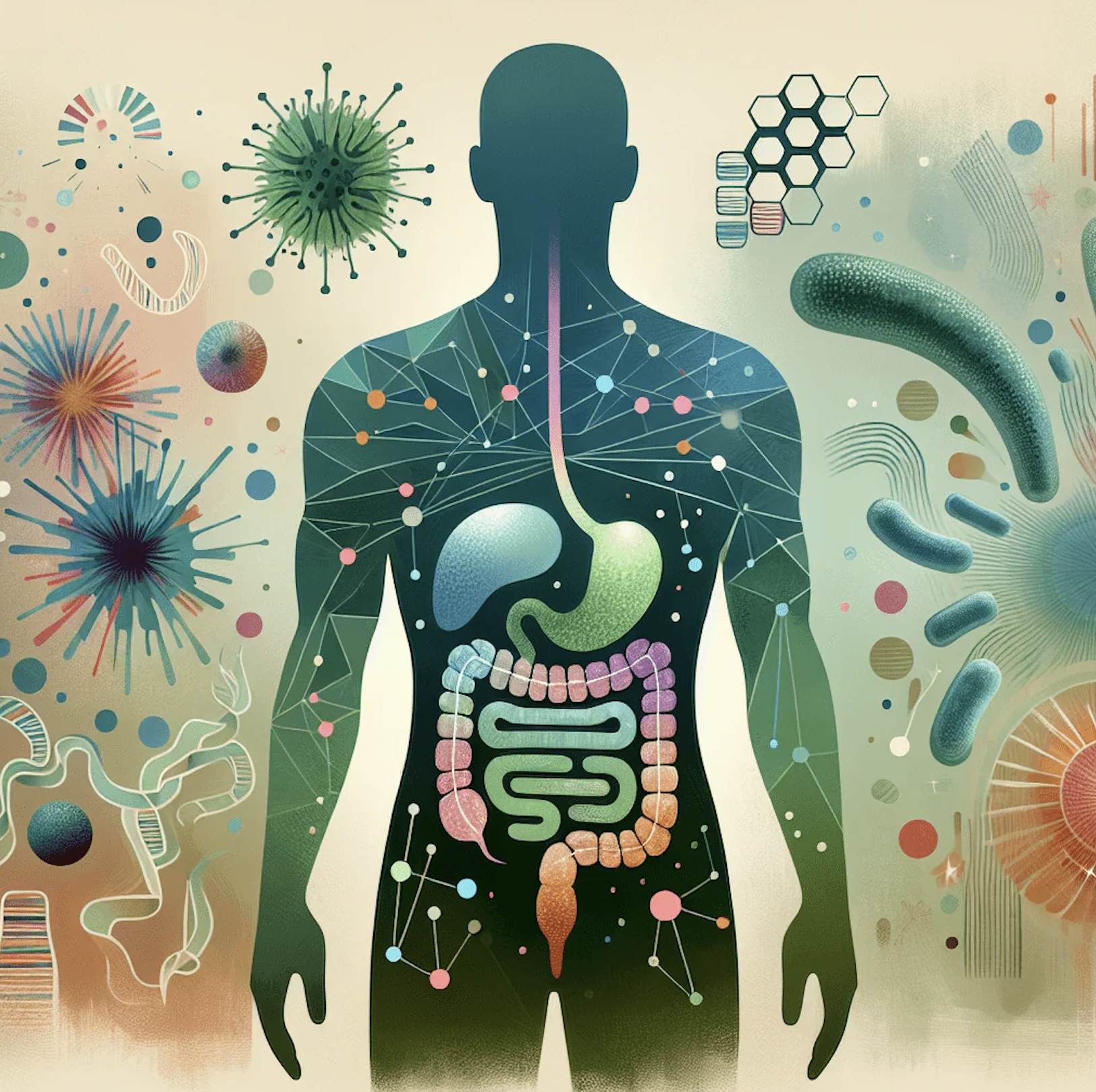
Your gut is more than digestion. It’s a dynamic system influenced by what you eat, how you live, and how your body responds over time. While research continues to evolve, one thing is clear: there is no single path to better gut health. What works for one person may not work for another.
This space is designed to help you build clarity and confidence in how to support your own system. Instead of rigid rules, you’ll find practical guidance, foundational principles, and real-world considerations that help you make informed choices based on your body, your experience, and your goals.
-

Digestion
Digestive balance affects how food is broken down, nutrients are absorbed, and waste is eliminated from the body. The gut lining, enzymes, and microbiome work together in a dynamic system that can be influenced by daily eating and digestive choices.
-

Immunity
A significant portion of immune activity is connected to the gut environment. The microbiome interacts with immune signaling pathways, highlighting the relationship between digestive health and balance, and overall immune resilience.
-

Mood
The gut–brain axis reflects communication between digestive and nervous systems. Certain microbes influence neurotransmitter activity, highlighting connections between digestive balance and emotional health.
Good Gut Eating Best Practices
Note: These general dietary patterns are commonly explored in digestive wellness conversations. Individual needs vary.
Common Digestive Triggers
-
Tomatoes are a common trouble food for sensitive digestion. Their natural acidity can irritate the upper GI tract and aggravate discomfort patterns associated with reflux, heartburn, or gastritis-like irritation. Tomatoes also contain naturally occurring plant compounds found in nightshades, including lectins and alkaloids, which some people find irritating to the gut. They are also relatively higher in fructose compared to many vegetables, and fructose can be difficult to absorb for certain individuals. When absorption is poor, it may ferment in the gut and contribute to bloating, gas, cramping, or loose stool. Skins and seeds can add mechanical irritation for some. If you are working to calm digestive reactivity, tomatoes are often a smart first removal.
Note: Includes tomato sauces, pastes, powders, seasonings, and “tomato flavor.”
-
Corn can be a challenging food for sensitive digestion. It is high in insoluble fiber, which is not easily broken down and can be mechanically irritating to an already reactive gut. For some individuals, this may contribute to bloating, gas, cramping, or irregular stool patterns. Corn also contains resistant starches and complex carbohydrates that can ferment during digestion, potentially increasing discomfort in those working to calm digestive instability.
Corn proteins may also provoke sensitivity in certain individuals. In addition, conventionally grown corn is frequently genetically modified and treated with agricultural chemicals, factors some people prefer to minimize when supporting overall gut balance.
Because corn is dense and harder to digest, it can place added strain on an already sensitive digestive system, making it a common first elimination in gut-focused eating approaches.
-
Gluten can be difficult for some individuals to tolerate, particularly those experiencing digestive sensitivity. It is a protein found in wheat, barley, and rye that requires significant digestive effort to break down. Research has examined gluten’s role in influencing intestinal permeability through zonulin signaling, a mechanism associated with changes in the tight junctions of the gut lining. For individuals with celiac disease, gluten triggers an autoimmune response that damages the small intestine and impairs nutrient absorption. Others may notice bloating, brain fog, fatigue, or irregular digestion after consuming gluten-containing foods.
Modern gluten-containing products are also frequently refined and highly processed, which can further challenge digestive balance. For those working to reduce gut reactivity and calm inflammation patterns, gluten is often one of the first foods removed.
-
Dairy can be challenging for sensitive digestion. Lactose, the natural sugar in milk, requires the enzyme lactase for proper breakdown. Many adults produce reduced levels of lactase, which can allow lactose to ferment in the gut and contribute to bloating, gas, cramping, or loose stool. Dairy proteins such as casein and whey may also provoke sensitivity in certain individuals, particularly those working to calm digestive reactivity.
Conventional dairy products may contain added hormones or antibiotic residues, which some individuals prefer to minimize when focusing on gut balance. For those seeking to reduce digestive irritation, dairy is often removed temporarily to observe response.
When alternatives are needed, non-dairy options that align with other best practices may be preferable. If dairy is used, grass-fed or lactose-free varieties are often better tolerated.
-
Caffeine is a powerful stimulant that can significantly affect digestive function. It increases stomach acid production and accelerates intestinal motility, which may contribute to reflux, cramping, urgency, or loose stool in sensitive individuals. Because caffeine also activates the nervous system, it can heighten stress signaling, a factor closely connected to digestive reactivity through the gut–brain axis.
For individuals working to calm inflammation patterns or stabilize digestion, caffeine can act as an ongoing irritant rather than a neutral habit. It may also interfere with sleep quality, which plays an important role in overall physiological recovery and balance.
Reducing or temporarily eliminating caffeine is often a strategic step for those seeking to quiet digestive symptoms and create a more stable internal environment.
-
Foods made with chili peppers, cayenne, hot sauce, and other capsaicin-containing ingredients can be irritating for sensitive digestion. Capsaicin stimulates nerve receptors in the gastrointestinal tract, which may trigger burning sensations, cramping, or urgency in reactive systems. For individuals already experiencing digestive inflammation or instability, heat-inducing spices can amplify discomfort rather than support balance.
Highly spicy foods may also increase gastric acid production and speed intestinal motility, compounding symptoms in those prone to reflux or loose stool patterns. Reducing concentrated heat can help calm digestive reactivity and create a more stable internal environment.
Flavor does not need to be sacrificed. Spices such as ginger, turmeric, cumin, and cinnamon offer depth and warmth without the same level of gut stimulation, making them gentler alternatives in gut-focused eating patterns.
Limit When Possible
-
Excess sugar can significantly disrupt digestive balance. High intake feeds certain bacteria and yeast in the gut, which may contribute to microbial imbalance, bloating, gas, and irregular digestion. Diets high in added sugars are also associated with increased inflammatory signaling and shifts in gut barrier function, factors that can challenge those working to calm digestive reactivity.
Frequent blood sugar spikes may also influence stress hormones and nervous system activation, both of which are closely connected to gut motility and overall digestive rhythm. Even natural sugars, when consumed in large amounts, can create similar instability.
Reducing added sugars is often a foundational step in gut-focused eating. When sweetness is desired, small amounts of raw honey, pure maple syrup, coconut sugar, or monk fruit are commonly used alternatives and tend to be better tolerated when used sparingly.
-
Grains do not always require full elimination, yet they are often reduced during periods of digestive reset. Many grains contain naturally occurring compounds such as lectins and phytic acid that can interfere with digestion in sensitive individuals. Their starch content can also ferment during breakdown, contributing to bloating, gas, or irregular stool patterns when the gut is reactive.
Even gluten-free grains such as oats or quinoa may be challenging for some, particularly when digestive balance is already compromised. Modern processing methods can further alter fiber structure and nutrient density, influencing how grains are tolerated.
When included, proper preparation and moderate portions may improve digestibility. Temporarily limiting grains can reduce digestive strain and help stabilize symptoms.
Note: White rice is often better tolerated due to its lower fiber content and simpler digestibility compared to brown rice.
-
Beans do not always need to be removed entirely, yet they are frequently reduced in gut-focused eating patterns. They contain oligosaccharides, carbohydrates that are not fully digested in the small intestine and may ferment in the gut. In sensitive individuals, this fermentation can contribute to bloating, gas, cramping, or pressure.
Beans also contain naturally occurring compounds such as lectins and phytic acid, which may challenge digestion in reactive systems. While fiber can be beneficial, higher fiber density can feel overwhelming during periods of digestive instability.
Proper preparation methods such as soaking, rinsing, and thorough cooking may improve tolerance for some. Limiting portion size allows the digestive system to remain more stable while reducing excess fermentation and mechanical strain, especially when symptoms are present.
-
Seed nuts such as peanuts and cashews are often reduced during digestive reset periods. They contain naturally occurring compounds like lectins and phytic acid, which may challenge digestion in sensitive individuals. Their dense combination of fat and fiber can also slow gastric emptying and contribute to feelings of heaviness, bloating, or discomfort in reactive systems.
Peanuts, technically legumes rather than true nuts, are more commonly associated with sensitivity reactions in certain individuals. In addition, seed oils and omega-6–dominant fatty acid profiles may be less desirable when aiming to stabilize overall dietary balance.
When consumed occasionally and in modest portions, tolerance may improve. Limiting intake can reduce digestive strain and create a more stable internal environment for those working to calm gut reactivity.
-
Vegetables with seeds, such as peppers, cucumbers, zucchini, and eggplant, are sometimes reduced during periods of digestive sensitivity. The skins and seeds can be tougher to break down and may contribute to bloating, cramping, or irregular digestion in reactive systems. For individuals experiencing ongoing gut irritation, these components can create additional mechanical strain as they pass through partially digested.
Some seeded vegetables also belong to the nightshade family, which contain naturally occurring compounds that certain individuals choose to limit when calming digestive reactivity.
Preparation methods matter. Peeling, deseeding, and cooking thoroughly may improve tolerance and reduce irritation. Limiting portion size and frequency can help stabilize symptoms while still allowing flexibility and gradual reintroduction as digestive balance improves.
-
Onions and garlic are common flavor foundations in many cuisines, though they can be challenging for some individuals with sensitive digestion. Both contain fermentable fibers called fructans, which may be difficult to break down in the small intestine and can contribute to gas, bloating, or abdominal discomfort in reactive systems.
Raw forms tend to be more stimulating, while larger portions of cooked onions or garlic may still provoke symptoms for certain individuals. Because they frequently appear in sauces, broths, seasoning blends, and prepared foods, exposure can accumulate without always being obvious.
Reducing intake for a period of time can help calm digestive reactivity and make it easier to observe how the body responds. Many people find tolerance improves when these ingredients are used more sparingly or when flavor is obtained through alternatives such as infused oils or fresh herbs.
-
Alcohol can disrupt digestive balance by irritating the intestinal lining and altering the composition of gut bacteria. Even moderate intake may increase intestinal permeability and influence inflammatory signaling, particularly in sensitive individuals. Alcohol can also impair sleep quality and stress regulation, both of which are closely connected to digestive stability.
Frequent or high-sugar alcoholic beverages may contribute to bloating, irregular digestion, or shifts in microbial balance. For those choosing to drink, simpler options such as dry wines or clear spirits mixed with soda water and citrus are often better tolerated than sugary cocktails, heavy beers, or malt-based drinks.
Reducing overall intake, limiting frequency, and avoiding high-sugar combinations can help maintain a more stable digestive environment while supporting long-term gut resilience.
Prioritize More Often
-
Choosing organic foods can reduce exposure to synthetic pesticides, herbicides, and chemical fertilizers commonly used in conventional agriculture. For individuals focused on digestive balance, minimizing these inputs may help reduce overall chemical load and support a more stable internal environment. Certain agricultural chemicals have been studied for their potential influence on gut bacteria, making sourcing an important consideration in gut-focused eating patterns.
Organic meats and dairy are produced without routine antibiotics or added growth hormones, which some individuals prefer to avoid when prioritizing microbiome stability. While nutrient levels vary by farming practices and soil quality, organic produce is often chosen as part of a whole-food approach centered on ingredient transparency.
Note: The term “organic” is regulated, yet standards and enforcement can vary. When possible, sourcing from trusted local farms, verified certifications, or growers who are transparent about their practices may provide greater confidence than labeling alone.
-
Kosher foods are produced under established dietary and preparation standards that emphasize ingredient inspection and structured processing guidelines. For individuals focused on digestive quality and sourcing transparency, kosher certification can provide an added layer of oversight in how foods are handled and prepared. Meat processed under kosher standards undergoes specific salting and rinsing procedures, which some individuals report as easier to digest.
Kosher dietary laws also restrict certain ingredient combinations and require clear labeling of certified products, which may simplify food selection for those working to stabilize digestion. While kosher certification is not inherently linked to medical outcomes, the structured approach to sourcing and preparation can align with a more intentional, quality-focused eating pattern.
For some, this added transparency supports greater confidence in food choices and overall dietary consistency.
-
Prebiotics are non-digestible fibers that serve as fuel for beneficial gut bacteria. Foods such as garlic, onions, leeks, asparagus, artichokes, and slightly green bananas contain compounds that support microbial diversity and activity in the colon. By nourishing helpful bacteria, prebiotic foods contribute to a more balanced internal ecosystem and stable digestive patterns over time.
Prebiotics work in partnership with probiotic-containing foods, helping sustain the growth and function of desirable microbes. Consistent inclusion of a variety of prebiotic sources can encourage microbial resilience and regularity.
For individuals focused on strengthening digestive stability, gradually increasing prebiotic intake—based on tolerance—can be a foundational step in cultivating a more diverse and adaptive gut environment.
-
Fiber-rich produce such as leafy greens, carrots, squash, and berries plays an important role in supporting digestive rhythm and stool regularity. Different types of fiber influence motility, microbial activity, and overall bowel consistency. A colorful variety of vegetables and fruits also provides polyphenols and antioxidants that contribute to microbial diversity and overall gut stability.
Consistent fiber intake can help maintain steady elimination patterns and support metabolic balance, both of which are closely connected to digestive function. Gradual increases are often better tolerated than sudden high intake, particularly for sensitive systems.
Note: Choose fiber sources that align with your digestive tolerance. When limiting seeded vegetables, prioritize low-irritation options while still maintaining variety and nutrient diversity.
-
Healthy fats play an important role in overall digestive function. Sources such as extra virgin olive oil, avocado, chia seeds, flax, and wild-caught salmon provide omega-3 and monounsaturated fats that are associated with balanced inflammatory signaling and metabolic stability. These fats also support the absorption of fat-soluble vitamins, including vitamins A, D, E, and K, which contribute to broader physiological function.
Including moderate amounts of high-quality fats can enhance satiety and improve meal satisfaction, helping stabilize energy and reduce erratic eating patterns that may disrupt digestion. Prioritizing minimally processed fat sources over refined seed oils aligns with a gut-focused eating approach centered on simplicity and ingredient quality.
Balanced fat intake, paired with whole foods, supports a steady and sustainable digestive environment over time.
-
Grass-fed meats are often prioritized in gut-focused eating patterns due to differences in how the animals are raised and fed. Compared to conventionally raised meat, grass-fed varieties typically contain a more favorable ratio of omega-3 to omega-6 fatty acids, which is associated with balanced inflammatory signaling. This fatty acid profile may be relevant for individuals seeking greater dietary stability.
Grass-fed production standards also generally avoid routine antibiotic use and added growth hormones. For those concerned about minimizing certain inputs in their food supply, sourcing meat raised under these conditions can align with a cleaner, whole-food approach.
In addition to protein, grass-fed meats provide key nutrients such as iron, zinc, and B vitamins. Choosing higher-quality sourcing supports overall dietary integrity and may contribute to a more stable digestive environment over time.
-
Pasture-raised chicken comes from birds raised with outdoor access and more varied diets compared to conventionally confined systems. These differences in feed and living conditions can influence fatty acid composition, often resulting in a more favorable omega-3 to omega-6 balance. For individuals focused on overall dietary quality, sourcing can be an important part of a gut-centered approach.
Pasture-raised standards also typically avoid routine antibiotic use and added growth promoters. For those seeking to minimize certain agricultural inputs in their food supply, this sourcing choice may align with broader digestive and wellness goals.
In addition to providing high-quality protein, chicken supplies essential nutrients such as B vitamins and selenium. Choosing pasture-raised options supports a cleaner, whole-food foundation while maintaining consistency in gut-focused eating patterns.
-
Wild-caught fish and seafood provide high-quality protein along with omega-3 fatty acids, nutrients associated with balanced inflammatory signaling and overall metabolic stability. Omega-3 fats play an important role in cellular function and are commonly prioritized in gut-focused eating patterns.
Compared to some aquaculture systems, wild-caught options avoid routine antibiotic use and artificial feed inputs. For individuals seeking cleaner sourcing and ingredient transparency, this distinction can be meaningful. Nutrient composition varies by species and environment, yet many wild fish offer important minerals such as selenium and iodine in addition to protein.
Seafood is generally lighter in texture and often easier to digest than heavier animal proteins, making it a useful option during periods of digestive sensitivity. Including it regularly can support overall dietary balance and long-term nutritional stability.
-
Bone broth, collagen peptides, and slow-cooked meats provide amino acids such as glycine and proline, which are important for connective tissue structure throughout the body. These nutrients are involved in maintaining the integrity of skin, joints, and the gastrointestinal lining. Collagen-rich foods also supply minerals and gelatin that contribute to overall dietary depth and hydration support.
Because they are typically slow-cooked and easy to digest, these foods are often included in gut-focused eating patterns during periods of digestive sensitivity. Their soft texture and concentrated protein content can make them a practical option when heavier foods feel difficult to tolerate.
While not a standalone solution, incorporating collagen-rich foods can support overall nutritional stability within a broader digestive wellness approach.
-
Adequate hydration plays an essential role in digestive function and overall metabolic stability. Water supports saliva production, stomach acid balance, nutrient transport, and the movement of waste through the intestines. Insufficient fluid intake can contribute to sluggish elimination and harder stool consistency, particularly in low-fiber or higher-protein diets.
Choosing clean, filtered water is a practical starting point. Herbal teas or water with trace minerals or a small pinch of sea salt may help support electrolyte balance, especially for those reducing processed foods or increasing whole-food intake.
Consistent daily hydration supports circulation, cellular function, and digestive rhythm. Maintaining steady fluid intake throughout the day creates a stable internal environment that complements broader gut-focused nutrition practices.

Shopping Tip —
Keep It Local & Seasonal
Highly processed foods often dominate the center aisles of most grocery stores. Focusing on whole ingredients and seasonal produce can simplify decisions and reduce exposure to unnecessary additives.
When possible, choosing locally grown and organically produced foods may align with a more whole-food approach. Availability varies by region, and accessibility should always be considered in the context of real life.
Good Gut Self-Care
These practical self-care tips reflect patterns and observations the My Good Gut team has encountered while navigating digestive challenges. Expand any topic below to explore simple ideas that may support digestive comfort and recovery.
-
Peppermint oil capsules are commonly used to support digestive comfort. Peppermint contains menthol, which has been studied for its effect on relaxing smooth muscle in the gastrointestinal tract. This relaxation may help reduce sensations of bloating, cramping, or abdominal pressure in sensitive individuals. Enteric-coated capsules are designed to release in the intestines rather than the stomach. When used appropriately, peppermint oil can be a supportive tool within a broader digestive wellness approach.
-
Digestive challenges are often unpredictable, and progress can feel uneven. Stress and nervous system activation are closely connected to gut function through the gut–brain axis. Supporting emotional stability alongside medical care can help reduce additional strain on digestion. Gentle routines, limiting constant symptom-checking, and maintaining supportive relationships may promote nervous system steadiness. Emotional care does not replace clinical treatment, yet it can make the overall process more manageable and sustainable.
-
Over-the-counter digestive products are often grouped together, yet they work through different mechanisms. Some formulas coat and soothe the gastrointestinal lining, while others neutralize stomach acid or influence motility. Because each product targets a specific function, effectiveness can vary depending on the type of discomfort being experienced. Understanding how an OTC product works before using it can help align expectations and support more informed, intentional choices.
-
Pepto-Bismol can temporarily darken stool, sometimes creating a black appearance that may resemble signs of upper gastrointestinal bleeding. For individuals monitoring stool color due to digestive concerns, this effect can make interpretation more difficult. During periods when stool appearance is being observed closely, it may be worth considering this potential side effect. Understanding how a product influences the body can help reduce unnecessary alarm during sensitive digestive episodes.
-
Probiotics can support digestive balance, though strain selection and timing may influence tolerance. Following a gastrointestinal infection, the microbiome may be temporarily unstable. In some cases, introducing certain bacterial strains immediately may feel overwhelming for sensitive systems. A yeast-based probiotic is sometimes used during early recovery because it is not affected by antibiotics and does not compete directly with bacterial strains. As digestion stabilizes, bacterial probiotics may be introduced more comfortably.
-
Red beets can naturally tint stool or urine pink or red due to their pigments. For individuals monitoring digestive symptoms, this color change may resemble blood and create unnecessary concern. When stool appearance is being observed closely, it can be helpful to remember this harmless effect. Choosing yellow beets instead offers a similar flavor and nutritional value without altering stool color in the same way.
-
Digestive recovery after an infection or inflammatory episode can vary widely. Acute symptoms may resolve quickly, yet full stabilization of digestive rhythm often unfolds more gradually. Factors such as prior gut health, stress levels, and overall resilience influence the timeline. Temporary bloating, softer stools, or intermittent discomfort can occur during this recalibration phase. Observing broader improvement trends rather than day-to-day fluctuations can help maintain perspective while the digestive system regains stability.
-
Portion size plays an important role during digestive flare-ups or recovery phases. An irritated gut may have reduced tolerance for large meals, and excessive volume can increase pressure, bloating, or discomfort. Smaller, more manageable portions are often easier to process and may reduce digestive strain while the system stabilizes. Spacing meals thoughtfully and avoiding overeating can support steadier digestion and help maintain a more comfortable, predictable rhythm.
-
Adequate hydration supports digestive function, stool consistency, and nutrient transport throughout the body. During periods of digestive upset, fluids also help replace losses and maintain metabolic stability. When appetite is low or the stomach feels unsettled, small, steady sips may be easier to tolerate than large amounts at once. Warm liquids, herbal teas, diluted electrolytes, or filtered water can help maintain fluid balance and support overall digestive rhythm.
-
Ginger has traditionally been used to support digestion and ease gastrointestinal discomfort. It has been studied for its role in nausea reduction and support of gastric emptying. During periods of digestive sensitivity, ginger tea, freshly grated ginger, or small amounts added to meals may feel soothing for some individuals. When tolerated, ginger can be incorporated in simple, consistent ways as part of a broader digestive wellness routine.
-
Eating immediately before lying down can increase the likelihood of reflux or digestive discomfort, particularly in sensitive individuals. Allowing roughly two hours between your last meal and bedtime gives the body time to begin digestion before reclining. This simple spacing strategy may reduce nighttime pressure on the stomach and support more comfortable digestion. During periods of GI sensitivity, timing meals thoughtfully can contribute to steadier, less disruptive evenings.
-
After a gastrointestinal infection, it is not unusual for mild symptoms to fluctuate as digestion stabilizes. Temporary bloating, stool changes, or intermittent discomfort can occur as the microbiome readjusts following illness or antibiotic use. These variations do not automatically indicate reinfection, particularly in the absence of fever or worsening systemic symptoms. Monitoring overall trends rather than isolated days can provide helpful perspective while the digestive system gradually regains stability.
-
A bidet does not address internal digestive conditions, yet it can improve comfort during periods of frequent bowel movements or lower GI sensitivity. Repeated wiping may irritate delicate skin and contribute to soreness over time. Gentle cleansing with water can reduce friction and help maintain hygiene more comfortably. Many individuals find the rinsing action soothing when irritation is present, making a bidet a practical support tool during heightened digestive activity.
-
During or after a gastrointestinal infection, basic hygiene practices can help reduce unnecessary exposure to lingering bacteria. Bathrooms and frequently touched surfaces may carry residual microbes. Thorough handwashing, closing the toilet lid before flushing, and routinely cleaning high-touch areas can limit spread within the home. These steps are not about achieving sterility, but about supporting a cleaner environment while the body regains digestive stability.
-
During an active gastrointestinal infection, it can be wise to consider how bacteria may be transmitted through close physical contact. Certain sexual practices may increase the likelihood of exposure when one partner is symptomatic. Temporary adjustments, protective measures, and attentive hygiene can help reduce unnecessary risk while the body recovers. Once symptoms have resolved and digestion has stabilized, typical intimacy can generally resume more comfortably.
-
Body position can influence digestive comfort during periods of GI sensitivity. Lying completely flat may increase pressure on the stomach and contribute to reflux or discomfort in susceptible individuals. Slight elevation of the upper body, such as with extra pillows or a raised headboard, can help reduce nighttime strain. Thoughtful positioning may support more comfortable rest while digestion stabilizes.
-
Dining out can feel more complex during periods of digestive sensitivity. Reviewing the menu in advance can reduce last-minute decisions and help set realistic expectations. Simpler preparations, lighter cooking methods, and moderate portions are often easier to tolerate than heavily fried or sauce-heavy dishes. Thoughtful planning allows social meals to remain enjoyable while staying aligned with your current digestive capacity.
-
Light to moderate movement can support circulation and digestive rhythm during periods of GI recovery. Walking, gentle stretching, cycling, or light resistance training may help maintain energy and prevent sluggishness without overtaxing the system. Intense exertion or inverted positions can sometimes aggravate upper GI discomfort in sensitive individuals. Keeping activity steady and appropriately paced allows movement to complement recovery rather than compete with it.
Gut Health Discovery Library
Research & News



Preparing for a GI Doctor Visit
Meeting with a gastroenterologist can sometimes feel overwhelming, especially if you’ve been experiencing symptoms for a long time or aren’t sure how to explain what you’re feeling. Taking a few minutes to prepare before your appointment can help make the conversation more productive and ensure your concerns are clearly understood.
Doctors often work within limited appointment times and must first focus on identifying or ruling out serious conditions. Bringing a short summary of your symptoms, when they began, medications or supplements you take, and any patterns you’ve noticed with food, stress, or lifestyle can help your doctor quickly understand your situation.
It can also be helpful to write down a few questions ahead of time, such as whether testing may be appropriate, what lifestyle or dietary adjustments might be worth exploring, and when a follow-up visit might be recommended.
Preparing thoughtfully for your visit doesn’t guarantee immediate answers, but it can help ensure your concerns are heard and that the appointment moves you closer to understanding your digestive health.
Many people leave medical appointments realizing later that they forgot to ask something important. Writing down a few questions in advance can help you get the most out of the visit.
Some helpful questions might include:
What conditions are you currently evaluating or ruling out?
Are there any tests that may help clarify what is happening?
Are there lifestyle or dietary adjustments worth trying first?
What symptoms would indicate I should follow up again?
Are there reliable resources you recommend for learning more?
Your doctor may not have time to address every topic in depth during a single visit, but asking thoughtful questions can help guide the conversation toward what matters most to you.
Questions You May Want to Ask
Bonus Tip: Bring a short written timeline of your symptoms.
Many people try to describe months or years of digestive symptoms from memory during an appointment, which can be difficult under time pressure. Bringing a brief written timeline can make the conversation much clearer for both you and your doctor.
For example, you might note when symptoms first began, any periods when they improved or worsened, and whether changes in diet, stress, travel, or illness seemed to influence them. Even a simple one-page summary can help your doctor quickly see patterns that might otherwise be missed during a short visit.

Navigating Health Insurance for Digestive Care
For many people, one of the most challenging parts of managing digestive health isn’t the symptoms themselves, but rather understanding how health insurance works when seeking care. Coverage rules for doctor visits, lab tests, imaging, and procedures can be complicated, and policies often vary widely between plans.
While doctors and medical offices do their best to help patients navigate these systems, they may not always know the details of your specific coverage. Taking a proactive approach can help reduce unexpected costs and confusion.
Some general best practices that many patients find helpful include:
Confirm whether providers are in-network. This can significantly affect what portion of a visit, test, or procedure is covered.
Ask if prior authorization is required. Some tests, imaging studies, and procedures may require approval from your insurance plan before they are performed.
Check how lab work is billed. When third-party labs are used, ask how the claim will be submitted and confirm the billing process aligns with your insurance plan’s policies for in-network coverage.
Request cost estimates when possible. Medical offices are sometimes able to provide approximate estimates for common tests or procedures.
Keep records of insurance communications. Saving reference numbers, explanations of benefits, and notes from phone calls can help clarify questions later.
Health insurance systems can feel frustrating to navigate, but asking questions and staying informed can help you feel more confident as you move through the process of caring for your digestive health.
Bonus Tip: Ask about billing codes before tests or procedures.
If a doctor recommends a test, imaging study, or procedure, you can ask the medical office which billing codes (often called CPT codes) are typically used for that service. Insurance companies use these codes to determine coverage.
Having the billing codes allows you to call your insurance provider and ask more specific questions about coverage and potential out-of-pocket costs. Many patients are surprised to learn that a short conversation using the correct codes can sometimes provide much clearer answers about how a service will be handled by their plan.