
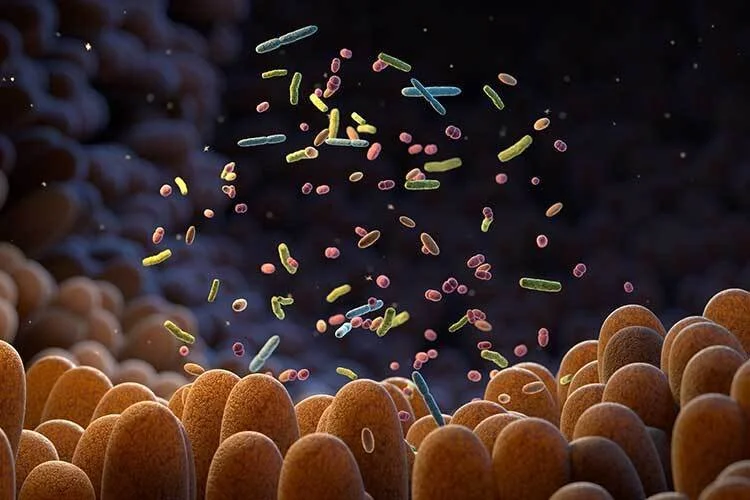
Good Bacteria for Your Gut
This article explains how helpful bacteria in the gut support digestion, immunity, and inflammation control. For people dealing with bloating, irregular digestion, or discomfort, it shows how probiotics can help restore balance by bringing in more of the bacteria your body may be missing. It also discusses how prebiotics—foods that feed good bacteria—can gently strengthen the digestive system over time. For anyone feeling frustrated or confused about their symptoms, this research helps explain why adding the right foods can create a calmer, more resilient gut environment.
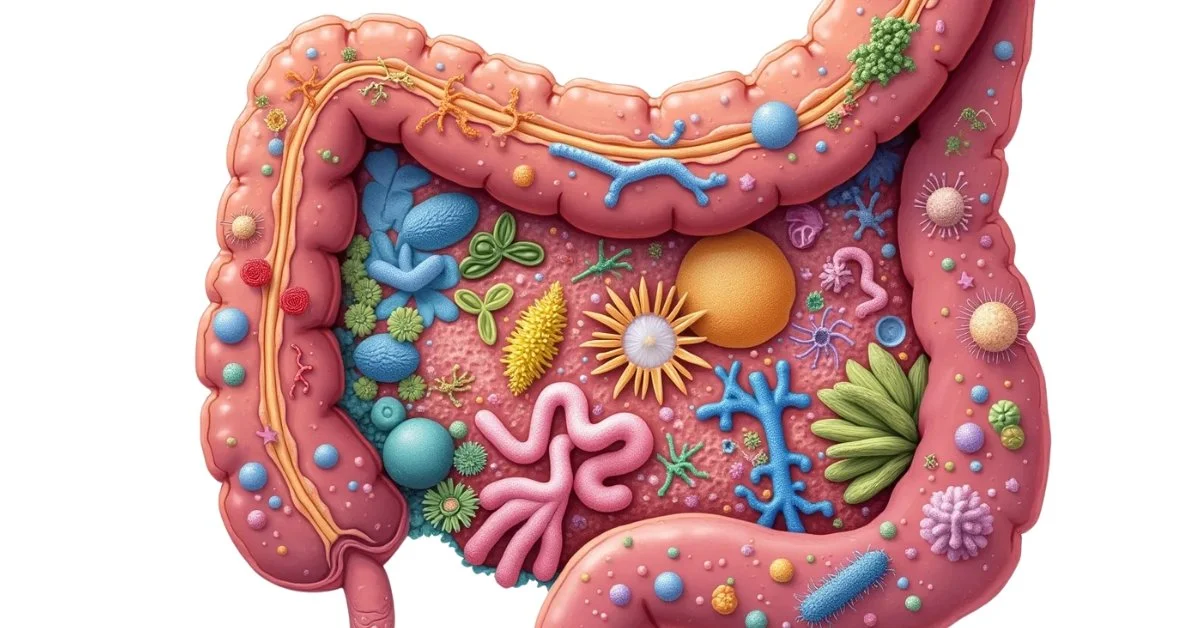
Get To Know Your Microbiome
This article explains how the microbiome influences digestion, immunity, and overall well-being. For individuals dealing with IBS, gas, bloating, or inflammation, it highlights how disruptions in gut bacteria can contribute to symptoms. It also explains that improving the microbiome doesn’t require extreme diets, just small steps like increasing fiber and reducing processed foods can help create meaningful improvement. The article offers a comforting perspective for those who feel their digestive system is unpredictable, reminding them that the gut can adapt and heal when given consistent support.
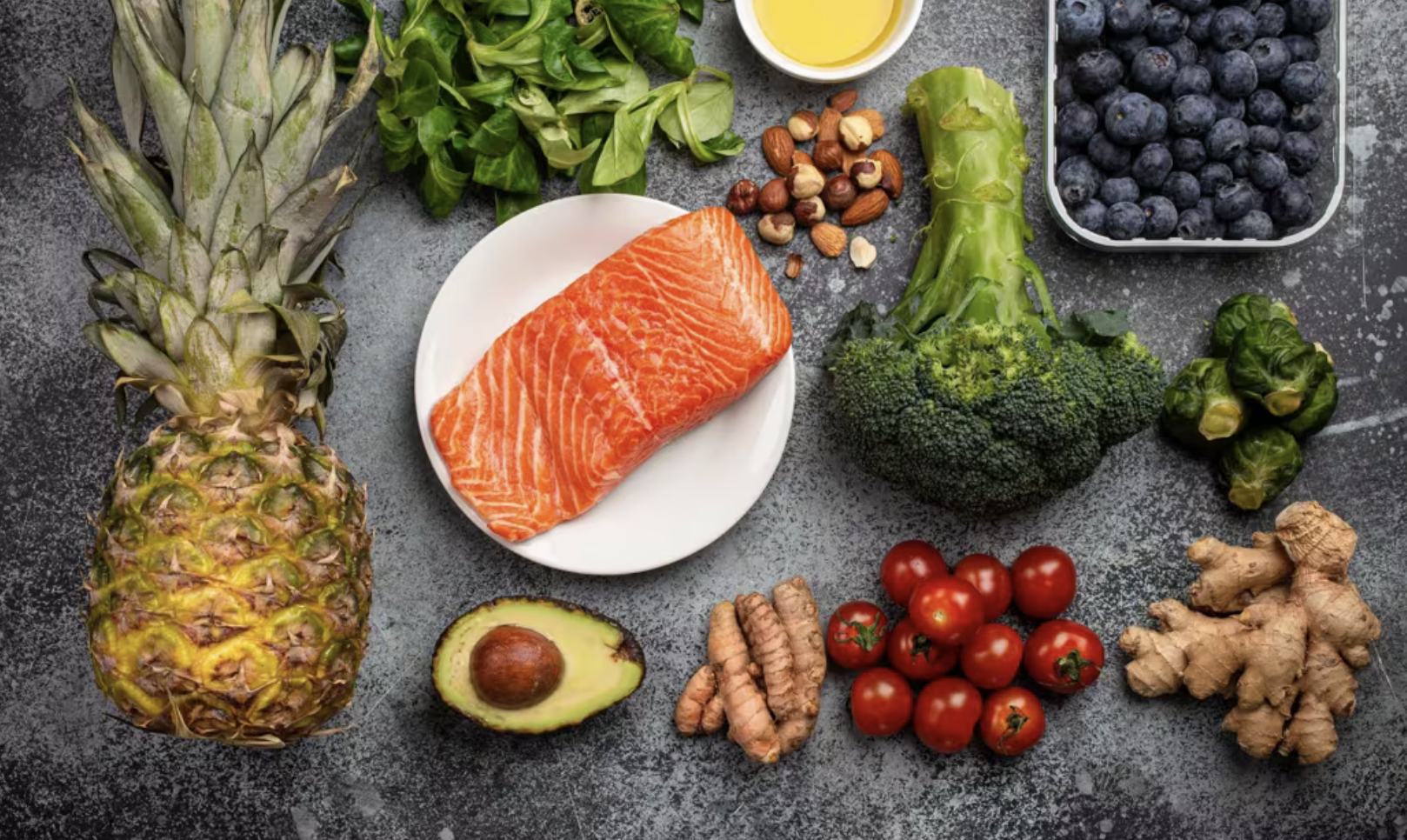
Anti-Inflammatory Diet: Foods to Eat and Avoid
This WebMD article explains how inflammation contributes to gut discomfort and how certain foods can help calm the digestive system. For people experiencing flare-ups, sensitivities, or chronic irritation, it describes how berries, leafy greens, nuts, seeds, and healthy fats may support healing. It also clarifies which foods commonly trigger inflammation, giving readers a clearer sense of what may be contributing to their symptoms. The research is presented in a hopeful and supportive tone, emphasizing that small dietary shifts can lead to meaningful improvement.
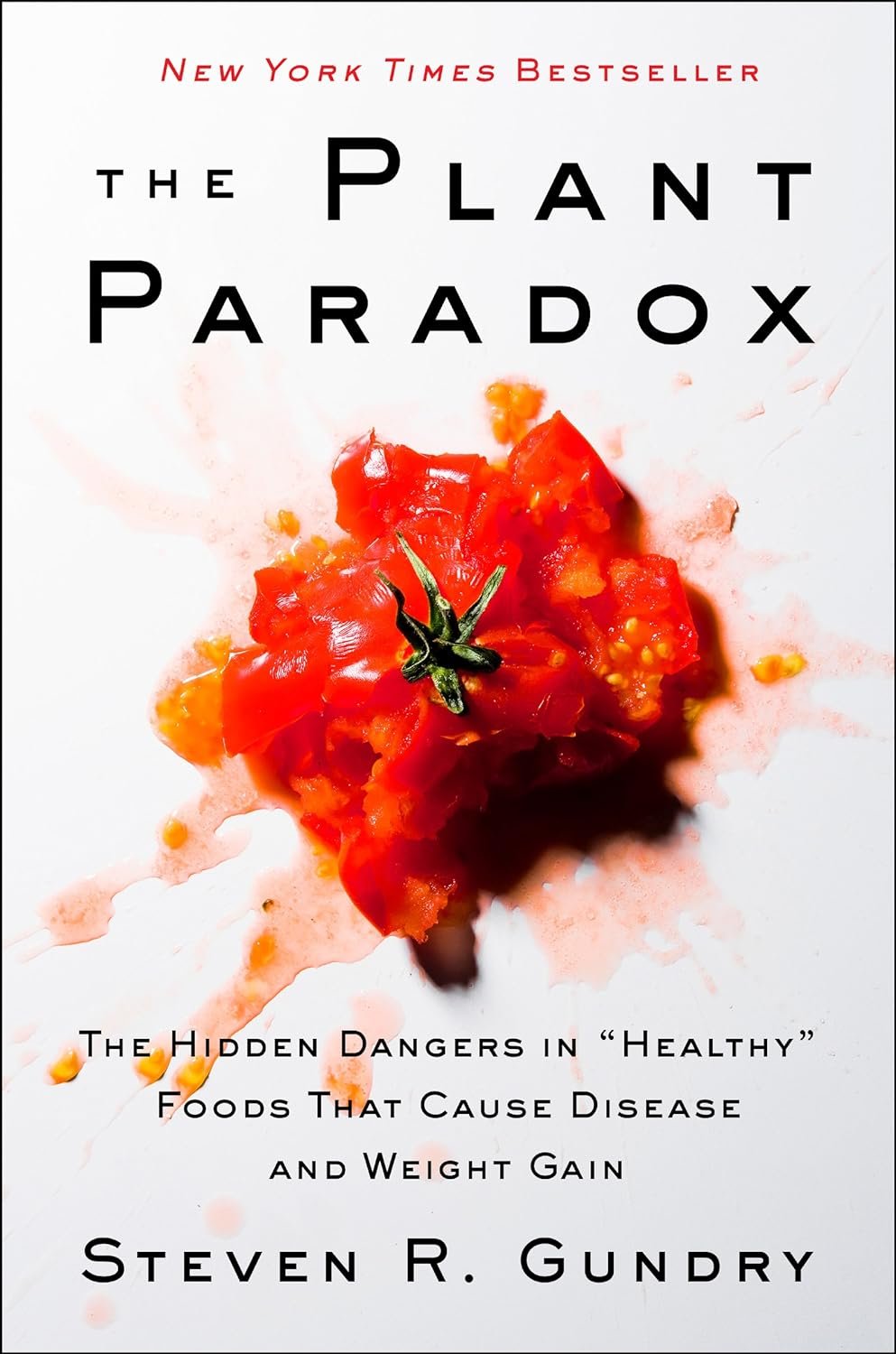
What Is the Plant Paradox Diet?
This WebMD article explains the science behind the Plant Paradox diet and why some people feel discomfort when eating lectin-containing foods like tomatoes, beans, and grains. For individuals dealing with inflammation, bloating, or autoimmune responses, the research offers insight into how lectins might irritate the digestive lining. The article presents the information neutrally, allowing readers to explore whether lectin sensitivity resonates with their own experiences. It can bring clarity to people who have tried eating “healthy” foods but still feel unwell.
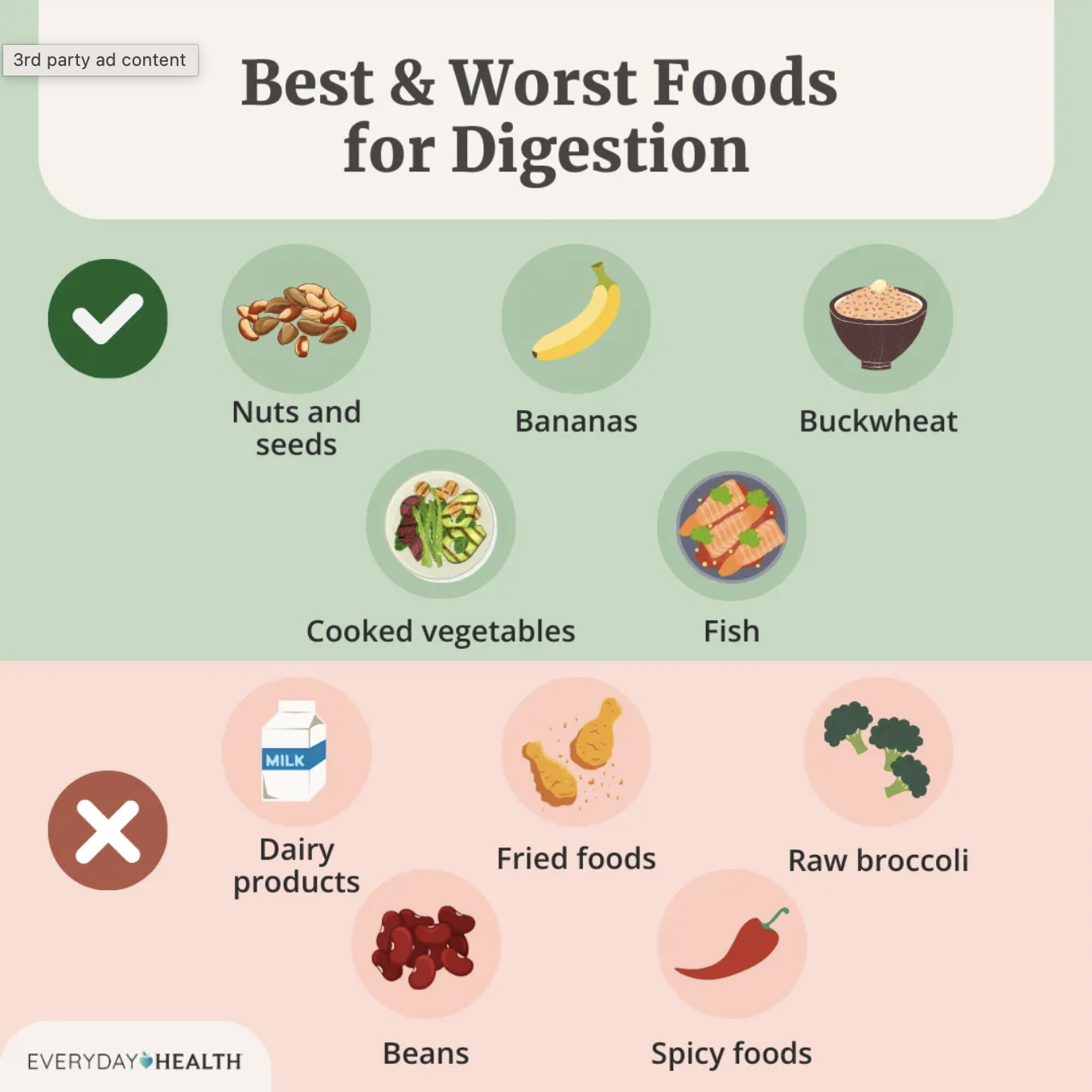
Best & Worst Foods for Gut Health
This EatingWell article breaks down the impact of different foods on digestive health in clear, everyday language. It explains that while every food can fit into a balanced approach, highly processed snacks — especially those filled with added sugars, salt, artificial ingredients, and low fiber — often fail to support a healthy gut microbiome. These foods lack the diverse nutrients and fiber that beneficial bacteria need to thrive, which can contribute to bloating, inflammation, and digestive imbalance. The article also highlights that whole foods rich in fiber and plant compounds help nourish gut bacteria and can improve regularity and comfort over time. This resource is especially relevant for people navigating gut issues and looking for simple, practical guidance on food choices that support smoother digestion and long-term gut resilience.