

Supporting Long-Term Digestive Health In Dogs
While My Good Gut™ primarily focuses on human digestive well-being, we also wanted to share educational information for those navigating long-term, chronic digestive health challenges with their canine companions.
Caring For Your Whole Family
When Digestive Health Issues Become Chronic
Understanding the Impact of Canine Digestive System
Common Contributors of Long-Term Digestive Issues in Dogs
Diet Considerations for Long-Term Stability
The Role of the Microbiome
Questions to Ask Your Veterinarian
Frequently Asked Questions
If Urgent Veterinary Care Is Financially or Logistically Challenging
A Note for Other Pet Owners

Chronic diarrhea in dogs. Recurring loose stool. Vomiting that seems to resolve and then returns. A “sensitive stomach” that never fully stabilizes.
Perhaps you’ve already spoken with your veterinarian. You may have tried prescription foods. Antibiotics may have helped temporarily, without fully resolving the underlying pattern.
And now you’re trying to better understand the longer-term picture of your furry loved one’s health.
Chronic digestive issues in dogs can be confusing, frustrating, costly and emotionally draining. Many owners begin to feel like they are guessing. Switching foods. Trying supplements. Hoping something finally makes a difference.
All the while, not knowing for sure what’s helping because your dogs can’t directly tell you themselves. In this way, caring for dogs can feel similar to caring for infants — a process of observation, adjustment, and learning over time.
You’re not alone in that experience.
This section of My Good Gut™ is designed to provide educational information to help dog owners think more clearly about their canine companion’s long-term digestive health, so you can have more informed conversations with your veterinarian and work toward greater consistency and stability over time.
Caring For Your Whole Family
When Digestive Health Issues Become Chronic
Acute digestive distress in dogs, such as sudden severe vomiting, lethargy, blood in stool, or signs of pain, requires immediate veterinary care. Seek urgent veterinary evaluation for those symptoms.
Chronic digestive issues, however, are different in that they persist over time and often aren’t fully resolved with a single acute intervention. They may reflect an ongoing pattern that warrants closer evaluation. They tend to look like:
Diarrhea that lasts for several weeks or keeps returning.
Soft stool that never fully firms up.
Periodic vomiting without a clear trigger.
Gassiness, bloating, or audible stomach noises.
A long-term “sensitive stomach” label.
When symptoms become persistent, it can suggest that something within the digestive system is not fully stabilized.
Sometimes that may include conditions such as canine Inflammatory Bowel Disease (IBD) or Chronic Enteropathy. In other cases, contributing factors discussed in veterinary literature can include microbiome shifts, food sensitivities, or chronic low-grade inflammation.
The key shift for many owners becomes moving from stopping a specific episode to exploring what might be contributing to the pattern over time.


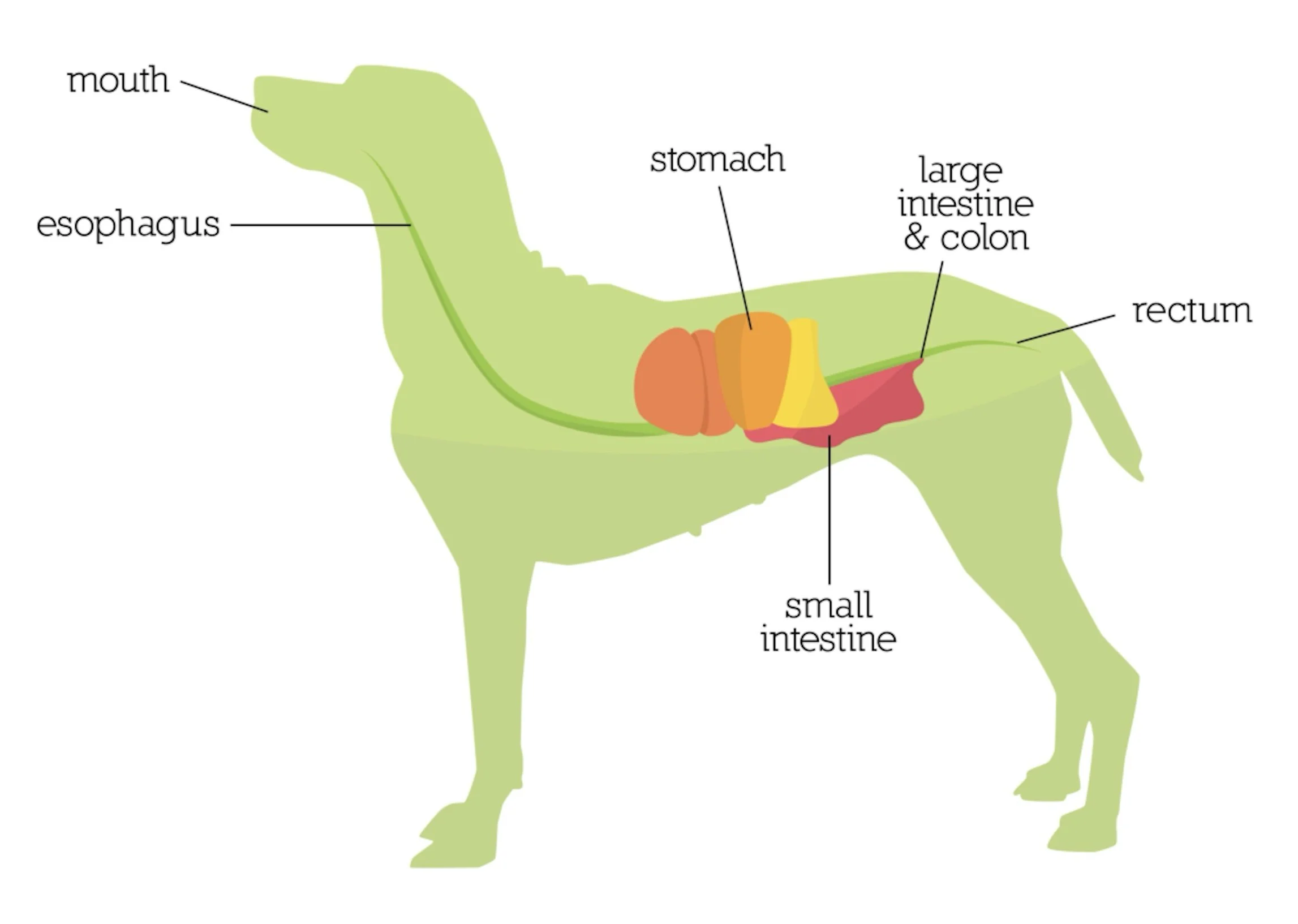
A dog’s digestive system is more than just a stomach reacting to food. It includes:
The stomach (acid and early breakdown)
The small intestine (nutrient absorption)
The large intestine or colon (water absorption and stool formation)
The gut microbiome (trillions of bacteria that influence digestion and immune balance)
Chronic diarrhea in dogs can be associated with disruptions in one or more parts of this system.
Sometimes contributing factors are inflammatory.
Sometimes enzymatic.
Sometimes microbial.
Sometimes multifactorial.
The microbiome in particular plays an important role. Antibiotics, stress, diet changes, and illness can all influence bacterial balance. After disruption, the microbiome may take time to reestablish equilibrium.
Understanding this helps move away from the idea that your dog simply has a “bad stomach.” Persistent patterns often have contributing factors worth exploring in partnership with your veterinarian.
Understanding the Impact of Canine Digestive System
Common Contributors of Long-Term Digestive Issues in Dogs
While diagnosis should be guided by a veterinarian, it can be helpful for owners to be aware of commonly discussed contributors to chronic digestive issues:
Food
Sensitivities
Dogs can develop sensitivities to certain proteins or ingredients over time. This does not always appear on standard allergy testing. In some cases, veterinarians may recommend a structured elimination trial to help identify potential triggers. Frequently rotating foods without a clear plan can sometimes make it more difficult to observe patterns over time.
Inflammatory
Conditions
Inflammatory bowel disease (IBD) is one condition that can be associated with chronic diarrhea in dogs. It involves inflammation of the intestinal lining and is diagnosed and managed by a veterinarian. Management approaches may include dietary adjustments, medication, and ongoing monitoring based on the individual dog’s needs.
Pancreatic
Insufficiency
Exocrine pancreatic insufficiency (EPI) occurs when the pancreas does not produce enough digestive enzymes. This can lead to weight loss, diarrhea, and nutrient malabsorption. It is a diagnosable and treatable condition that requires veterinary evaluation. In some cases, early symptoms may overlap with other digestive issues, which can make identification less straightforward.
Microbiome
Disruption
Antibiotics can be lifesaving, and they can alter gut bacteria. Some dogs return to usual digestive patterns quickly after antibiotics, while others may experience changes that take longer to stabilize. Probiotics are sometimes discussed as a supportive option, though responses vary and formulations differ. Decisions about supplementation should be made thoughtfully and in consultation with a veterinarian.
And … Chronic Stress
Dogs are highly sensitive to environmental change, routine disruption, and emotional stress within the household. Ongoing stress may influence gut motility, appetite, and overall digestive patterns over time. As in humans, the gut and nervous system are closely connected, meaning emotional and physical stressors can sometimes show up as digestive changes.
Diet Considerations for Long-Term Stability
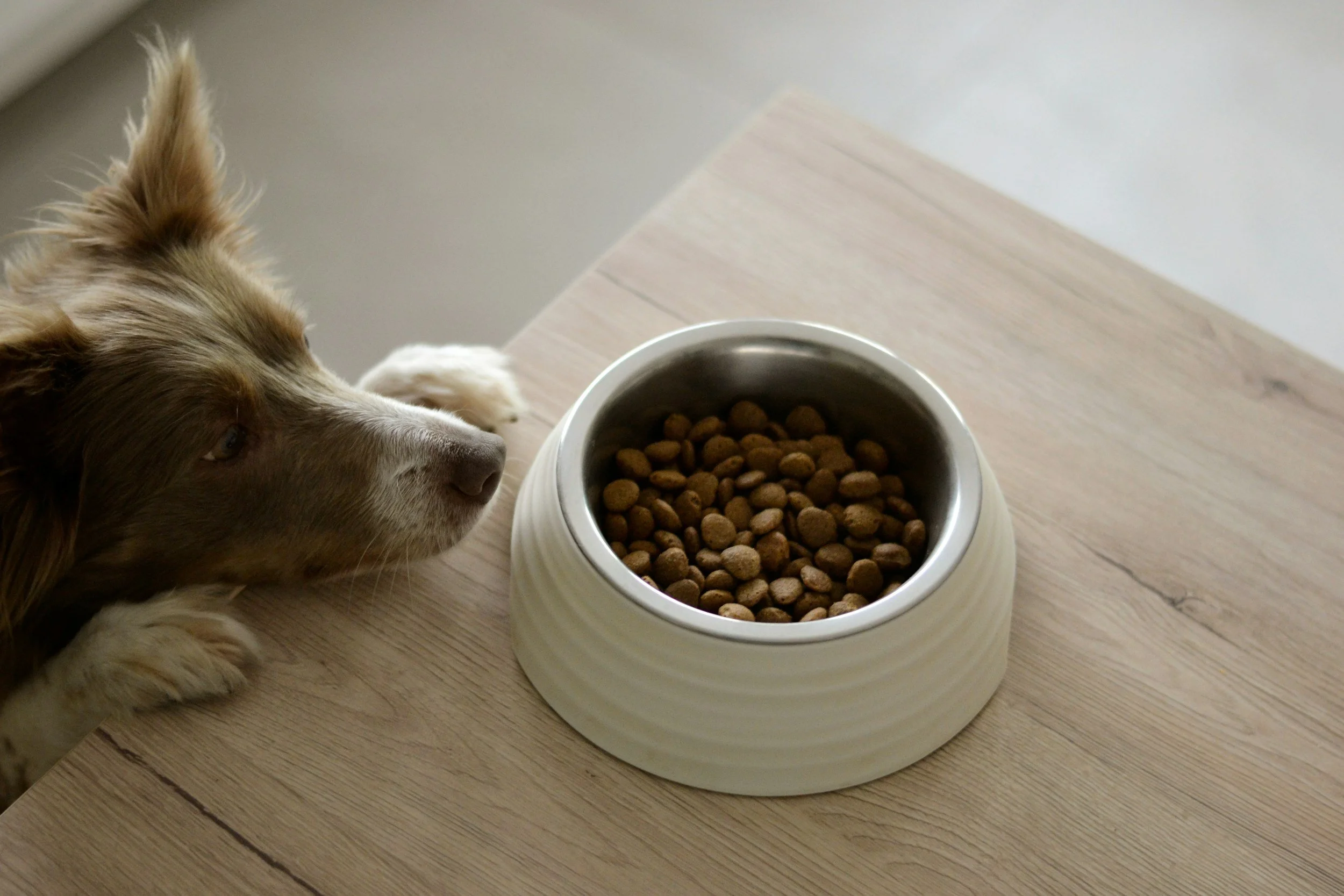
When navigating chronic digestive issues in dogs, diet conversations are almost inevitable.
Rather than focusing on brand names, it can be more helpful to focus on general principles:
Ingredient simplicity
Consistency rather than frequent switching
Structured protein trials when recommended by a veterinarian
Appropriate fiber balance
Collaboration with your veterinarian on elimination plans when needed
Grain-free diets are not automatically better. Raw diets are not automatically beneficial for every dog. “Natural” does not automatically mean safe.
Every dog’s physiology is different, and there is no one-size-fits-all solution. Diet and management decisions should be personalized in consultation with your veterinarian. Greater stability often comes from consistent, structured adjustments rather than reactive food changes.
The Role of the Microbiome
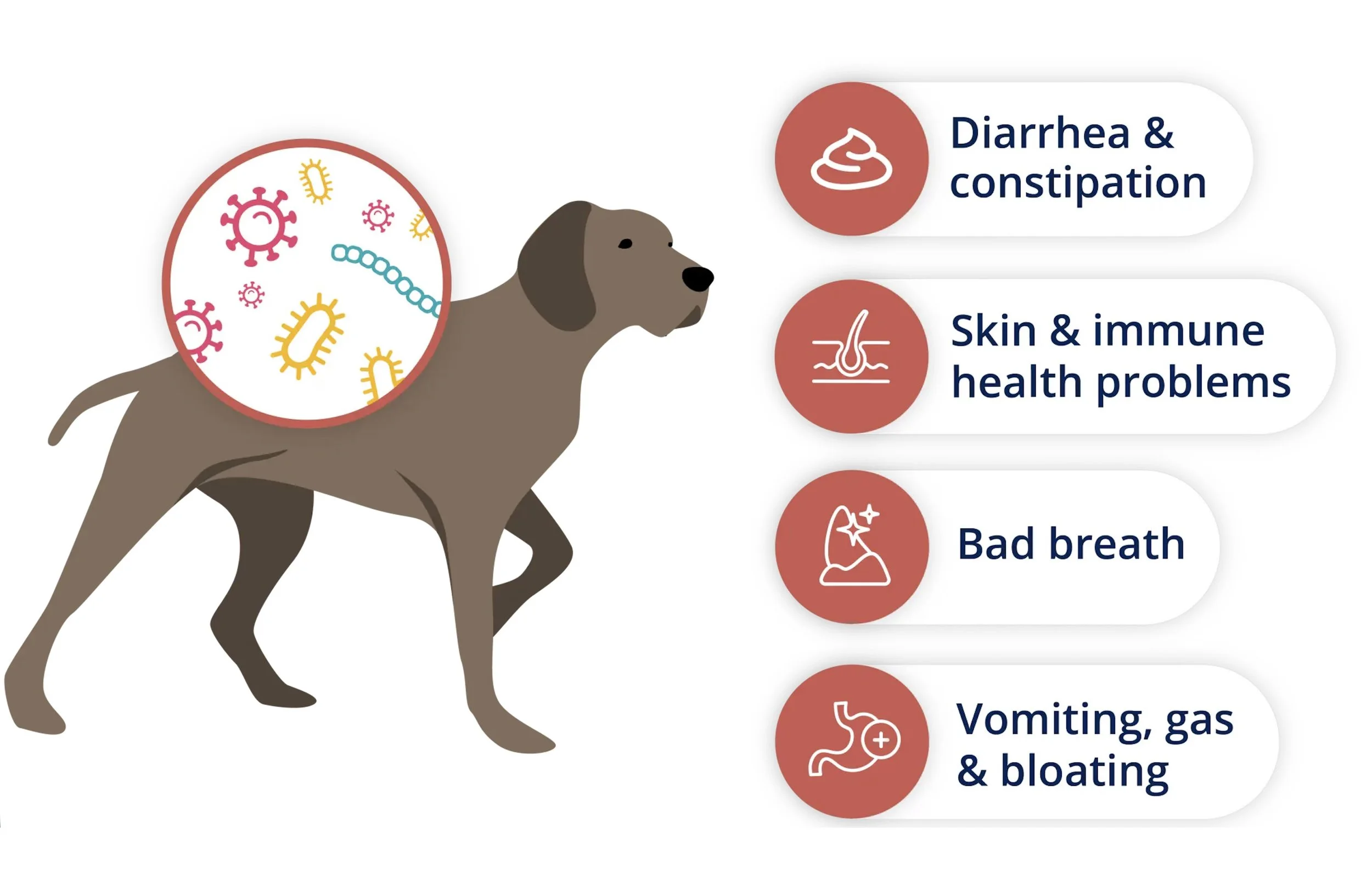
The canine gut microbiome plays an important role in digestion, immune function, and inflammation regulation. When the microbiome shifts, some dogs may experience:
Ongoing loose stool
Increased sensitivity to certain foods
Slower recovery after illness
Probiotics are often discussed as one possible supportive approach, though responses vary by strain, formulation, and individual dog. Quality and veterinary guidance are important considerations.
Microbiome balance may take time to stabilize. Consistency and patience are often part of supporting long-term digestive patterns.
Questions to Ask Your Veterinarian
Informed owners often feel more confident asking thoughtful questions.
If your dog is experiencing long-term digestive issues, you might consider discussing:
What tests have ruled out structural disease?
Are there inflammatory conditions we should consider evaluating?
Would a structured elimination diet be appropriate in this case?
Is pancreatic insufficiency something worth assessing?
Is this likely to resolve with short-term treatment, or require longer-term management?
What realistic long-term expectations should we have?
Remember, the goal is not to challenge your veterinarian, but to support clear communication and collaborative decision-making.

“The canine gut microbiome plays a vital role in overall health and well-being by regulating various physiological functions, including digestion, immune responses, energy metabolism, and even behavior and temperament.”
— published on National Institutes of Health (NIH) / PMC Veterinary Research

Frequently Asked Questions
-
If your dog experiences repeated short episodes that resolve and then return, contributing factors may include diet inconsistency, stress, or ingredient sensitivity. Maintaining consistent meals, limiting frequent protein changes, and introducing new foods gradually can help reduce digestive disruption.
Tracking patterns over time may help identify potential triggers. If diarrhea becomes prolonged, significantly worsens, or is accompanied by other concerning symptoms, further evaluation may be appropriate.
-
Neither dry nor wet food is automatically better for digestion. Ingredient quality, consistency, and your individual dog’s response tend to matter most.
Wet food contains more moisture, which may support hydration and can be easier for some dogs to digest. Dry food is convenient and may contribute to dental health.
Sudden switches between types can disrupt digestion for some dogs, so gradual transitions with observation are generally advisable.
-
Stress can influence normal gut movement and may contribute to loose stools in some dogs. Travel, boarding, new environments, or changes in routine are common stressors.
Maintaining predictable feeding times, exercise, and sleep schedules may help support digestive consistency. Gradual transitions during life changes can sometimes reduce stress-related digestive flare-ups.
-
Occasional mild vomiting or loose stool in an otherwise stable dog may resolve within 24–48 hours with rest, hydration, and temporary diet simplification. If symptoms persist beyond two days, worsen, or include blood, lethargy, repeated vomiting, or loss of appetite, veterinary care is recommended.
Puppies, senior dogs, and small breeds may require earlier evaluation due to higher dehydration risk.
-
Many owners prioritize clearly named protein sources (such as chicken or salmon), limited fillers, and transparent ingredient lists. Simpler ingredient profiles can sometimes make sensitivities easier to observe.
Frequent food switching and highly processed treats may add unnecessary digestive stress for some dogs. Choosing consistent formulas that align with your dog’s life stage and individual needs can support stability. Ingredient clarity and consistency often matter more than marketing claims.
-
Mild diarrhea in an otherwise energetic dog is often linked to sudden food changes, table scraps, stress, or minor digestive irritation. If your dog is drinking water and behaving normally, you might temporarily simplify meals, pause treats, and keep portions modest while observing stool quality and energy levels over the next 24–48 hours.
If symptoms persist, worsen, or are accompanied by lethargy, vomiting, blood in stool, or appetite loss, seek veterinary evaluation.
-
For mild, short-term digestive upset in an otherwise stable dog, a temporary bland diet is sometimes used to help settle the gut. Plain boiled chicken (no seasoning) and white rice in small portions is one commonly referenced option for a brief period. Ensure fresh water is always available.
As stools begin to improve, food can be gradually transitioned back to the usual diet. Avoid fatty treats or sudden food changes during this time. If diarrhea persists beyond a couple of days or is accompanied by other concerning symptoms, veterinary evaluation is recommended.
-
Yellow bile vomiting can occur when a dog’s stomach remains empty for an extended period overnight. In some cases, adjusting meal timing or offering a small, appropriate snack before bedtime may help reduce morning bile episodes.
Keeping feeding times consistent and avoiding long fasting windows can also be helpful for some dogs. If vomiting becomes frequent, severe, or is accompanied by other symptoms, veterinary evaluation is recommended.
-
Recurring digestive upset, itching, or ear infections can sometimes be associated with food sensitivities. Rather than switching foods repeatedly, maintaining dietary consistency and tracking ingredients alongside symptoms over time may help reveal patterns.
If concerns continue, a veterinarian may recommend a structured elimination diet to further evaluate potential triggers.
-
Some dogs may benefit from canine-specific probiotics designed to support healthy gut bacteria, particularly after antibiotics or mild digestive stress. Products formulated for dogs are generally preferred over human blends.
Introduce gradually and observe stool changes. While probiotics may support microbial balance, consistency in diet and routine often plays an equally important role.
-
Digestive changes can occur as dogs age. Because dogs mature more quickly than humans, shifts in metabolism, enzyme production, and food tolerance may happen over time.
Mild stool changes, reduced tolerance for rich foods, or slower recovery after dietary indiscretion can be common in older dogs. Gradual adjustments to diet quality, portion size, and ingredient simplicity may help support stability. Sudden, severe, or persistent changes warrant further evaluation.
-
Chronic diarrhea, vomiting, weight loss, and fluctuating appetite over weeks or months can be associated with ongoing intestinal inflammation. If symptoms are recurring rather than occasional, keeping a detailed log of food, treats, stressors, and stool quality may help identify patterns and provide helpful context for ongoing evaluation.
-
Mucus in stool can be associated with irritation in the large intestine. It may appear after stress, dietary changes, or mild digestive upset.
If your dog otherwise seems well, maintaining a consistent, simple diet and temporarily reducing treats may help support stabilization. Persistent mucus, straining, blood in the stool, or changes in energy level warrant further evaluation.
If Urgent Veterinary Care Is Financially or Logistically Challenging
If your dog is experiencing acute symptoms and immediate veterinary care feels out of reach due to cost or availability, the following organizations may help:
ASPCA
Financial assistance guidance and low-cost clinic resourcesThe Humane Society of the United States
Directory of local animal welfare organizations and low-cost servicesRedRover
Emergency veterinary care grantsThe Pet Fund
Assistance for non-emergency veterinary expensesCareCredit
Veterinary financing option accepted by many clinics
If you need help assessing urgency more quickly, veterinary telehealth platforms such as Vetster and Airvet may provide faster access to a licensed veterinarian.
While we are currently focusing on digestive health in dogs, we have not forgotten you. We are simply prioritizing canine content based on the requests we have received.
If you are navigating digestive challenges with your cat or another pet, we would genuinely welcome hearing from you.
As the My Good Gut™ community grows, we hope to expand educational resources to reflect the many ways gut health shows up in your life — for yourself and the loved ones you care for.
A Note for Other Pet Owners
Digestive health can feel overwhelming, and can feel especially stressful when it comes to our pets. If you are caring for a dog with long-term digestive challenges, we hope this overview helps you feel a little more grounded and supported.
Feel free to explore the broader resources on the My Good Gut™ website for your own wellbeing or others in your life. And if there is another way we can support you, please feel free to reach out.
We are always here for you.
And Remember, You are Not Alone
The information on this page is for informational purposes only and has not been veterinary reviewed. It is not intended as veterinary advice or a recommendation for treatment. Always consult a licensed veterinarian regarding health concerns.